
When a loved one has severe dementia or Alzheimer’s, finding out what happened when they are injured or mistreated is challenging. They may not remember an event, explain what happened, or even recognize that something was wrong. However, that doesn’t mean abuse cannot be investigated or proven.
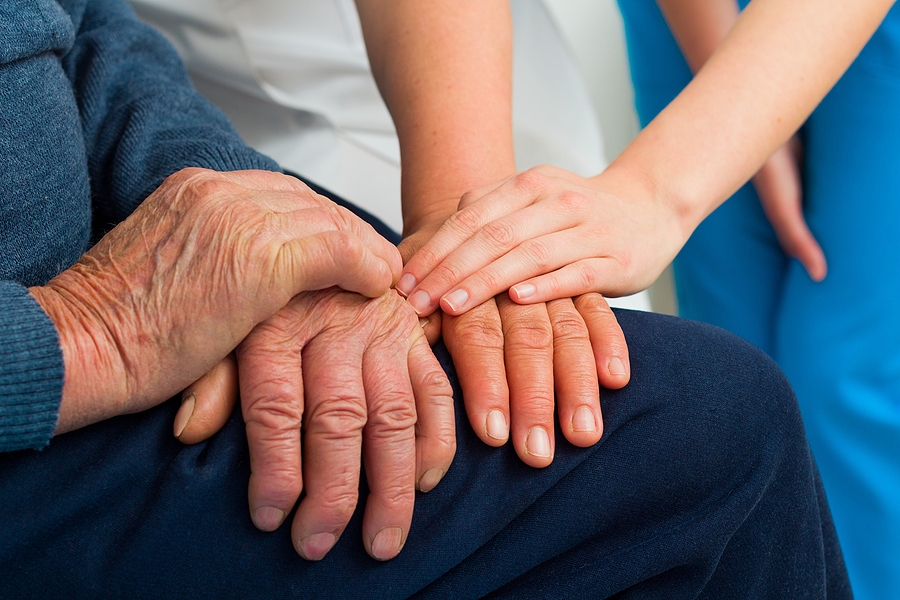
Families can review medical records, physical injuries, changes in behavior, financial records, caregiver statements, and other evidence. In many cases, the complete picture comes from several sources rather than one statement from the person with dementia.
What Makes Abuse Harder to Prove When Someone Has Dementia?
Dementia can affect memory, communication, judgment, and a person’s ability to understand what is happening around them. This condition makes it difficult for a loved one to clearly describe the abuse they’ve suffered.
A person with dementia may give different accounts of the same event. They may forget an injury or struggle to identify the person responsible. They may also become fearful or withdrawn without being able to explain why.
These problems can make an investigation harder, but they don’t mean you should ignore the person’s concerns. The Alzheimer’s Association notes that dementia can make a person more susceptible to abuse, particularly when cognitive changes make it difficult to recognize mistreatment or report it to someone they trust.
What Types of Abuse Can Affect Someone With Dementia?
Abuse comes in multiple forms. Physical abuse may involve hitting, pushing, rough handling, or causing other injuries. Emotional abuse may include threats, intimidation, insults, or frightening behavior.
Neglect can involve failing to provide food, medical care, hygiene, medication, or a safe living environment. Financial abuse can occur when someone takes or misuses a person’s money or property.
Sexual abuse can also affect people with dementia, especially when a person cannot understand what is happening or cannot give consent.
The signs may include bruises, burns, broken bones, pressure marks, poor hygiene, bedsores, unusual weight loss, untreated medical problems, sudden changes in behavior, or unexplained financial changes.
One sign alone does not prove abuse. But a pattern of unexplained problems may warrant further investigation.
How Can You Document Suspected Abuse?
Documentation becomes important when a loved one cannot clearly explain what happened.
Write down what you observe as soon as possible. Record the date, time, location, people involved, visible injuries, changes in behavior, and anything your loved one says. Take photographs of injuries or other physical conditions when appropriate.
Save relevant texts, emails, voicemails, financial records, photographs, and other documents. Keep copies somewhere the suspected abuser cannot access.
The goal is to create a record showing what changed and when.
What Medical Evidence Can Help Show Abuse?
Medical records may provide important evidence. A doctor or other medical professional can document injuries, health changes, untreated conditions, weight loss, dehydration, and other problems.
Medical records can also help establish when an injury occurred and whether the explanation makes sense.
For example, repeated unexplained bruises or untreated injuries may raise questions about the care a person is receiving. Bedsores, poor hygiene, or missed medical treatment may also raise concerns about neglect.
Families should keep records of medical visits and ask questions when an injury or health problem can’t be clearly explained.
Can Witnesses Help Prove Elder Abuse?
Yes. A loved one with dementia does not have to be the only source of evidence.
Family members, friends, nurses, doctors, aides, social workers, and other people who interact with the person may have information about what they saw or heard.
A witness may notice that a caregiver behaves differently when family members are not present. Someone may also notice changes in the person’s mood, physical condition, or behavior.
These observations can help investigators understand what happened, particularly when the person with dementia cannot provide a complete account.
What If My Loved One Cannot Tell Us What Happened?
Look at the facts surrounding the situation.
A person with severe dementia may not be able to explain an injury, but medical records may document it. They may not remember a financial transaction, but bank records may show unusual withdrawals. That same person may say they are not afraid, but family members may notice they become distressed around a particular caregiver.
These patterns matter greatly in the overall picture.
If you believe your loved one is being mistreated, keep records of changes in health, behavior, finances, and living conditions. Those records may help professionals determine whether abuse or neglect occurred.
Does Dementia Prevent an Abuse Claim?
No. Dementia does not automatically prevent an abuse claim.
The evidence in a case may come from many sources, including medical records, photographs, financial documents, witness statements, facility records, and other documentation. The exact evidence needed depends on the facts of the situation and the type of abuse involved.
If the suspected abuse occurred in a nursing home, reviewing the facility’s records may also help answer questions about injuries, care, staffing, medications, and prior complaints.
Families may also find it helpful to review our previous article, Which Questions Should I Ask if I Think a Family Member is Being Mistreated? when they are trying to understand what may have happened.
What Should I Do if I Suspect Abuse?
If your loved one is in immediate danger, call 911.
You can also report suspected abuse to the appropriate authorities. You don’t have to prove the abuse yourself before reporting it. In West Virginia, Adult Services can investigate reports involving vulnerable adults, including suspected abuse, neglect, and financial exploitation.
If you believe your loved one has suffered abuse or neglect, you may also want to speak with an attorney who can review the available evidence and explain whether your family may have legal options.
Our previous article, What is the Difference Between Nursing Home Abuse and Neglect? can help families understand the difference between intentional mistreatment and failures in care.
A loved one’s dementia may make abuse harder to identify, but it does not mean there is no evidence. Careful documentation, medical records, witness accounts, financial records, and other information may help establish what happened and who may be responsible.
Do You Suspect Your Loved One Is Being Abused?
Watching someone you love struggle with dementia or Alzheimer’s is difficult enough. If you also suspect they may be experiencing abuse or neglect, you may feel unsure of what to do next.
Help is available so you don’t have to handle these concerns alone. At The Love Law Firm, we can listen to what happened, answer your questions, and help you understand your legal options.
Call The Love Law Firm at (304) 344-5683 or visit the contact page to request a consultation.

