
If you have a loved one living in a nursing home or assisted living facility, you may worry about the care they receive when you are not there. A hidden camera, sometimes called a “granny cam,” may seem like a simple way to check on them.
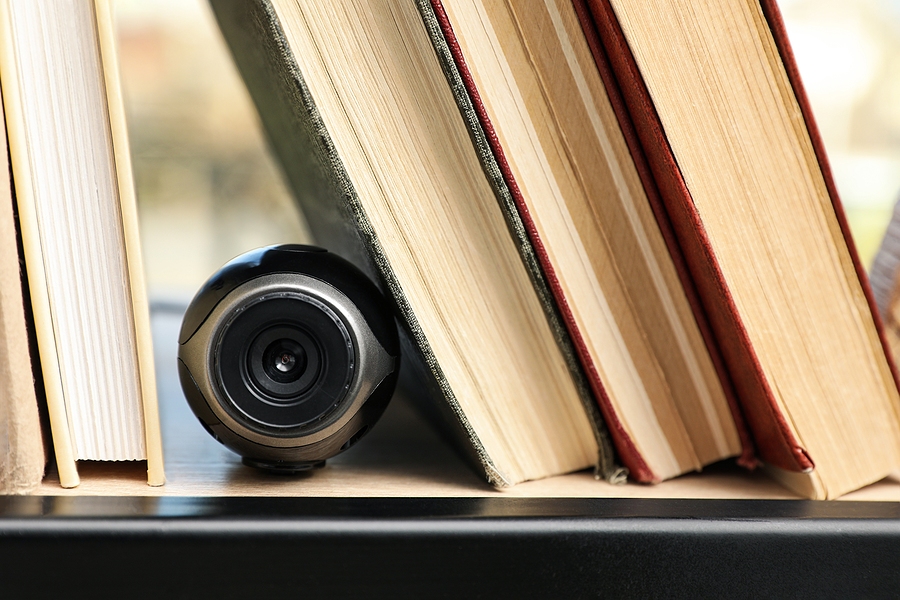
But if your loved one lives in a West Virginia care facility, you should understand the rules before placing a camera in their room. State rules, privacy rights, consent, and facility policies can affect whether you can use a camera.
Can You Legally Install a Camera in a Nursing Home Room in West Virginia?
West Virginia does not give residents or their families a clear legal right to install cameras in nursing home rooms. State regulators have also stated that video and audio devices are restricted to common areas in assisted living facilities. This means private recording devices may not be allowed in a resident’s room.
This issue became more widely known after a West Virginia assisted living facility told a family member to remove a Ring camera from his mother’s room. The family had used the camera to check on her care as her health declined.
The rules can also depend on the type of facility involved. Nursing homes, assisted living residences, and other long-term care settings may have different requirements. The facility may also have its own policies about recording devices.
For that reason, do not assume that a camera is legal simply because you are a family member or because you own the device.
What Are the Privacy and Consent Concerns?
A camera in a resident’s room can record much more than a caregiver’s actions. It may capture a resident while they change clothes, receive personal care, or take a bath.
West Virginia law places limits on recording people in situations where they have a reasonable expectation of privacy. Recording someone while they are nude or partially nude, or in a private place where they expect privacy, can create serious legal concerns.
Shared rooms create another problem. A camera could record a roommate who never agreed to be recorded. Caregivers and other people entering the room may also be captured.
Your loved one’s wishes matter, too. If your loved one can make their own decisions, consider their consent before placing any monitoring device in their room.
Why Do Families Want to Use Granny Cams?
Most families do not consider a hidden camera because they want to spy on someone. They consider one because they are worried about their loved ones and the care they are, or are not, receiving.
A family member may notice unexplained bruises, bed sores, weight loss, changes in behavior, poor hygiene, or other signs that something may be wrong. A camera may seem like a way to find out what happens when family members are away.
Cameras can sometimes provide evidence of abuse or neglect. They may also help families confirm that a loved one is receiving proper care. Still, a camera should not be the first or only response to concerns about a loved one’s safety.
If you want to learn more about the signs of abuse and the steps families can take, read our previous article, Tackling Nursing Home Abuse in West Virginia.
What Are the Risks of Using a Hidden Camera?
The biggest concern is that a hidden camera may create privacy issues while you try to protect your loved one.
A recording could capture private medical care, another resident, or a caregiver in a private setting. If the camera records audio, additional consent rules may apply. West Virginia is generally considered a one-party consent state for conversations, but that does not mean every type of recording is lawful.
Facility rules can also create problems. A nursing home may prohibit recording devices even if you believe the camera is necessary.
If you secretly install a camera despite those rules, you could create a separate legal issue that makes an already difficult situation harder.
What Can You Do If You Suspect Nursing Home Abuse?
If you believe your loved one is being abused or neglected, start documenting what you have seen. Write down dates, injuries, changes in behavior, missed care, medication concerns, or anything else that seems unusual.
You can also report suspected abuse to the proper authorities and request records related to your loved one’s care.
You may not need a hidden camera to begin protecting your loved one. Medical records, photographs, witness statements, facility records, and other evidence may help establish what happened.
If your concern involves neglect, you can also learn more about your legal options in our blog, Nursing Home Neglect.
Should You Talk to a Nursing Home Abuse Lawyer Before Installing a Camera?
If you are thinking about secretly placing a camera in your loved one’s room, talk with a West Virginia nursing home abuse lawyer first.
The facts matter. The type of facility, your loved one’s ability to consent, the presence of a roommate, the purpose of the recording, and the facility’s policies can all affect the legal issues involved.
A hidden camera may seem like the fastest way to find answers. But if you suspect your loved one is being abused or neglected, you have other ways to investigate the situation and protect their rights.
The Love Law Firm helps families address nursing home abuse and neglect in West Virginia. If you are worried about the care your loved one is receiving, getting legal advice early can help you understand your options before taking action. Contact us today at (304) 458-5819 or contact us online to schedule your consultation.

